TFR-[ER]
Wolrd
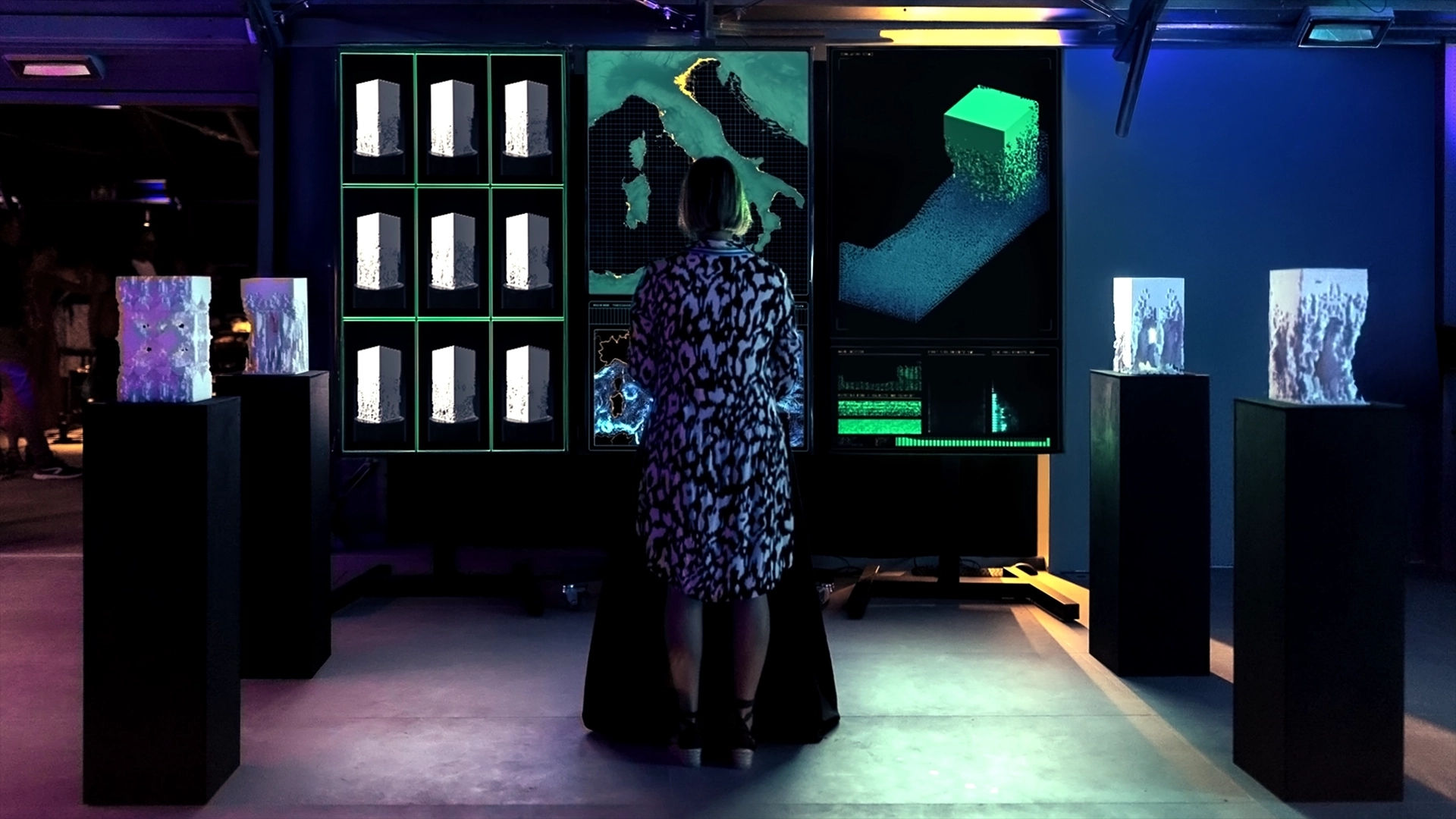
Tales from the Receding Edge is an interactive, multidisciplinary installation about the dynamic interplay between climate-driven coastal erosion along Italy’s changing shorelines. Anchored in real-time Copernicus climate forecast data and precise erosion modeling, the installation transforms abstract scientific forecasts into tangible, experiential encounters.
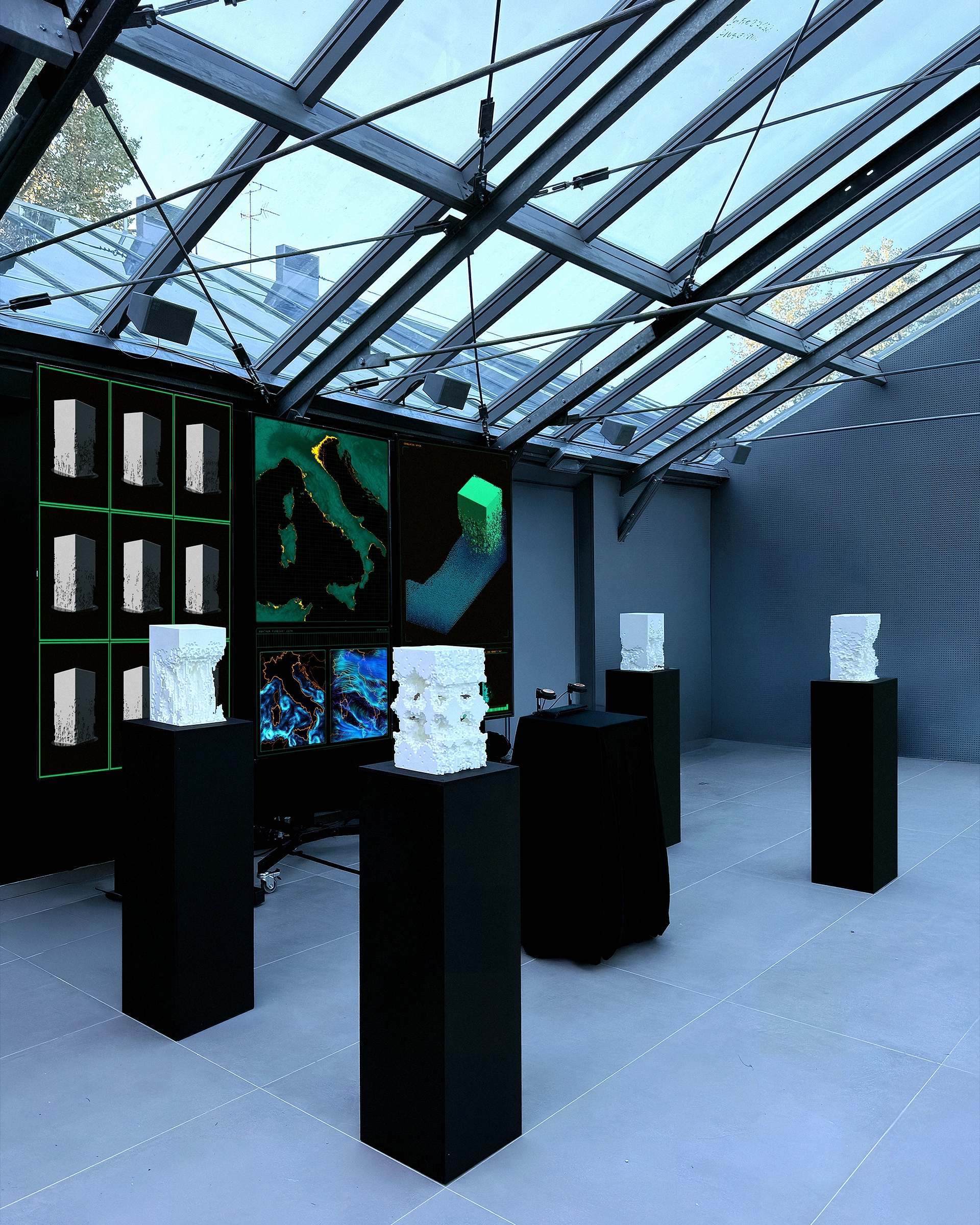
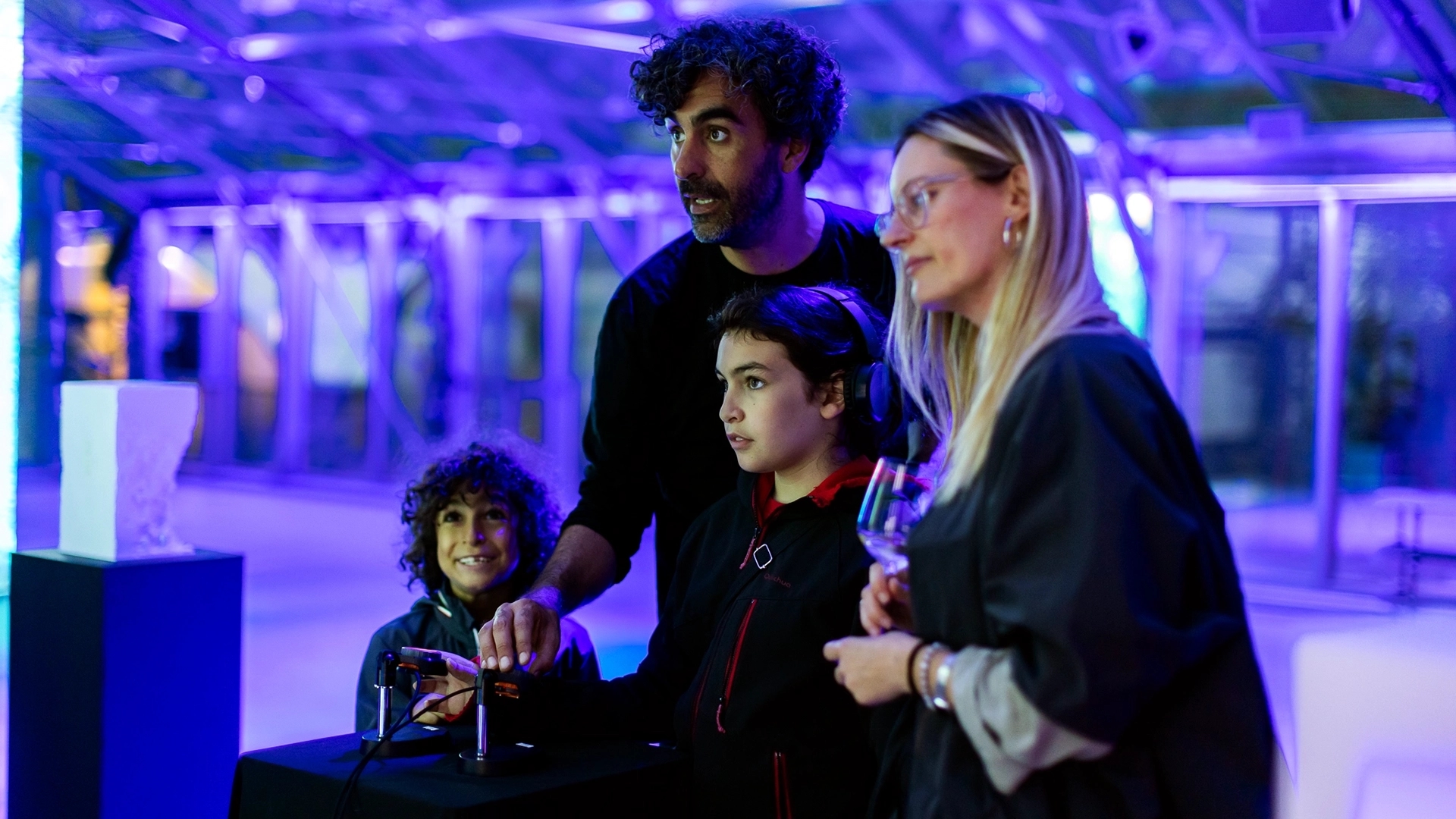
Rather than framing erosion merely as ecological catastrophe, the installation celebrates its dual role as both destructive force and creative agent. Visitors are immersed in a virtual simulation where they can witness and influence the patterns, textures and landforms that emerge from these elemental processes.
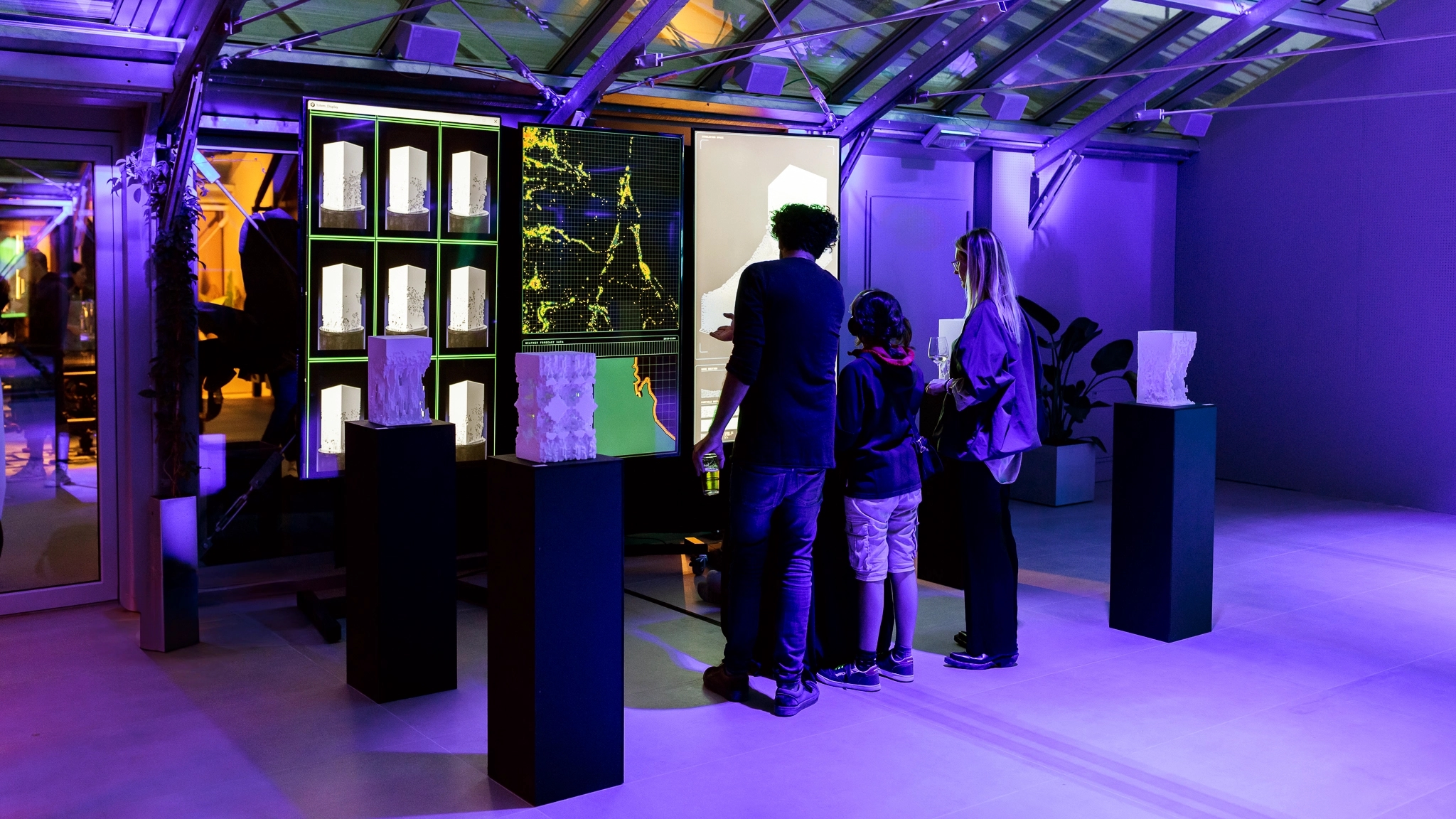
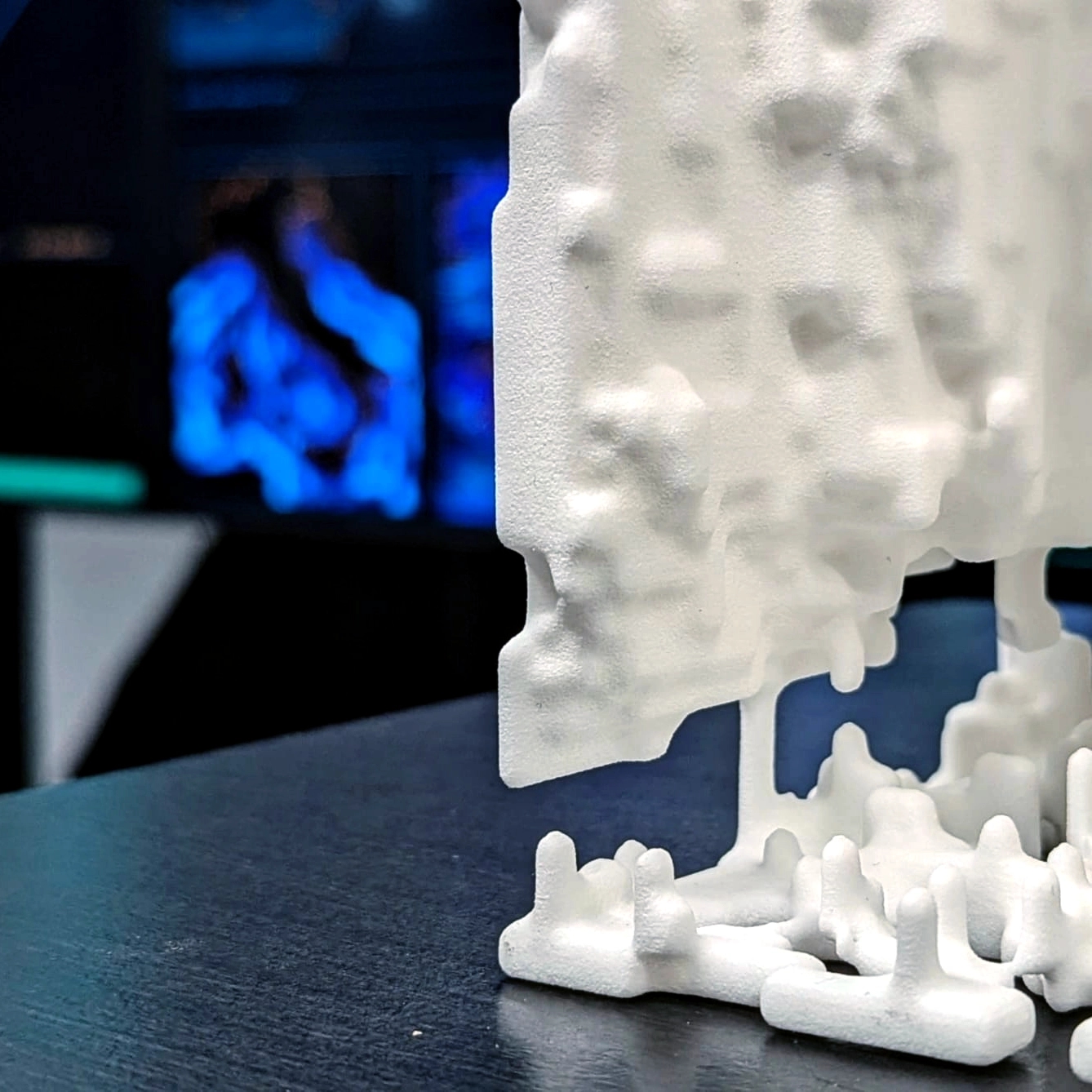
Central to the installation is a custom interactive geomorphic sculpting simulation. This simulation visualizes coastal erosion by replicating natural forces (wind, water currents, and waves) that gradually erode a virtual monolith. The precise amount of material removed in the simulation corresponds exactly to real-world data on land loss, derived from specific coastal regions chosen by the audience. This provides audiences with a direct and relatable visual representation of environmental change, bridging the gap between abstract scientific data and human perception.
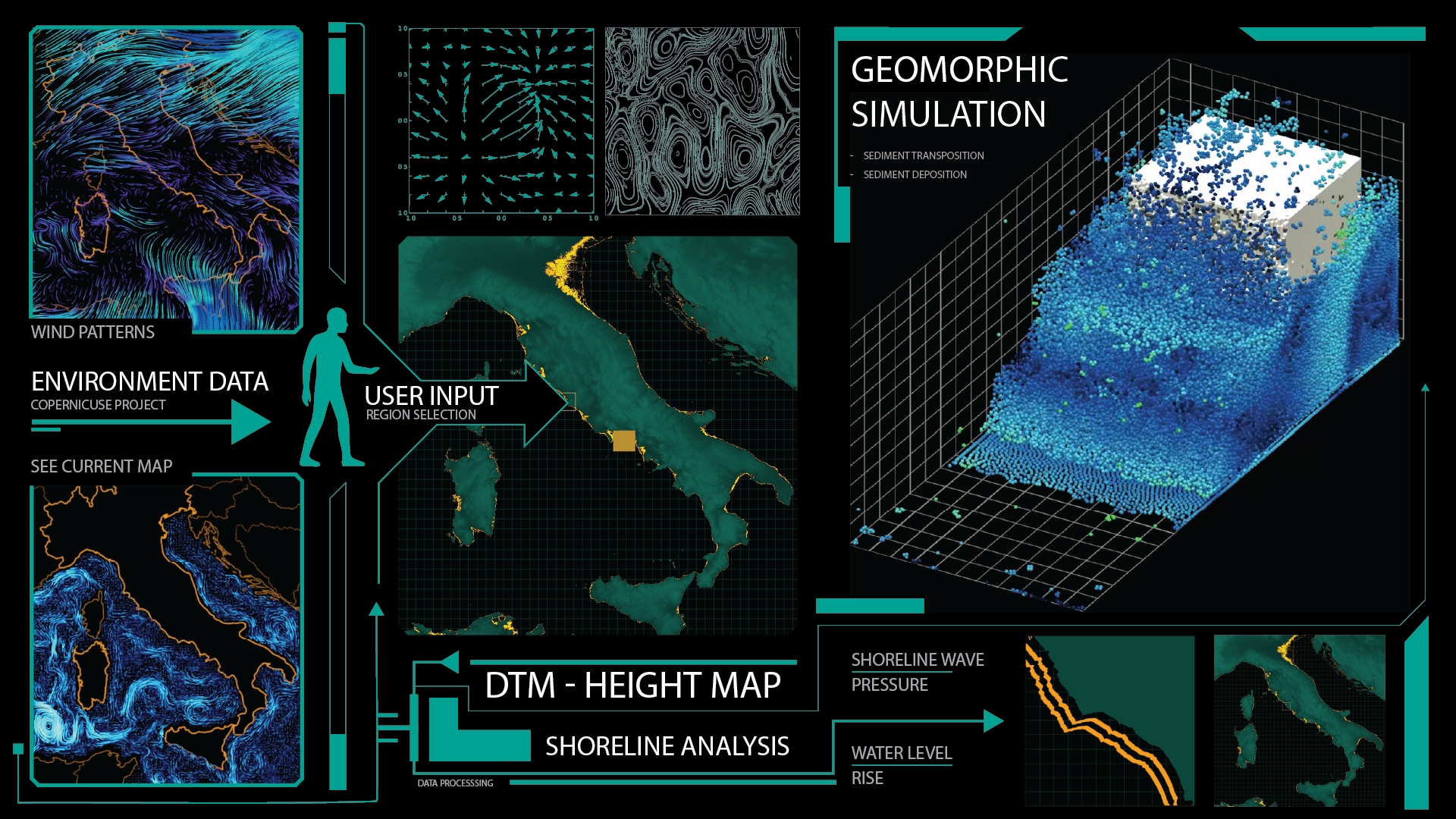
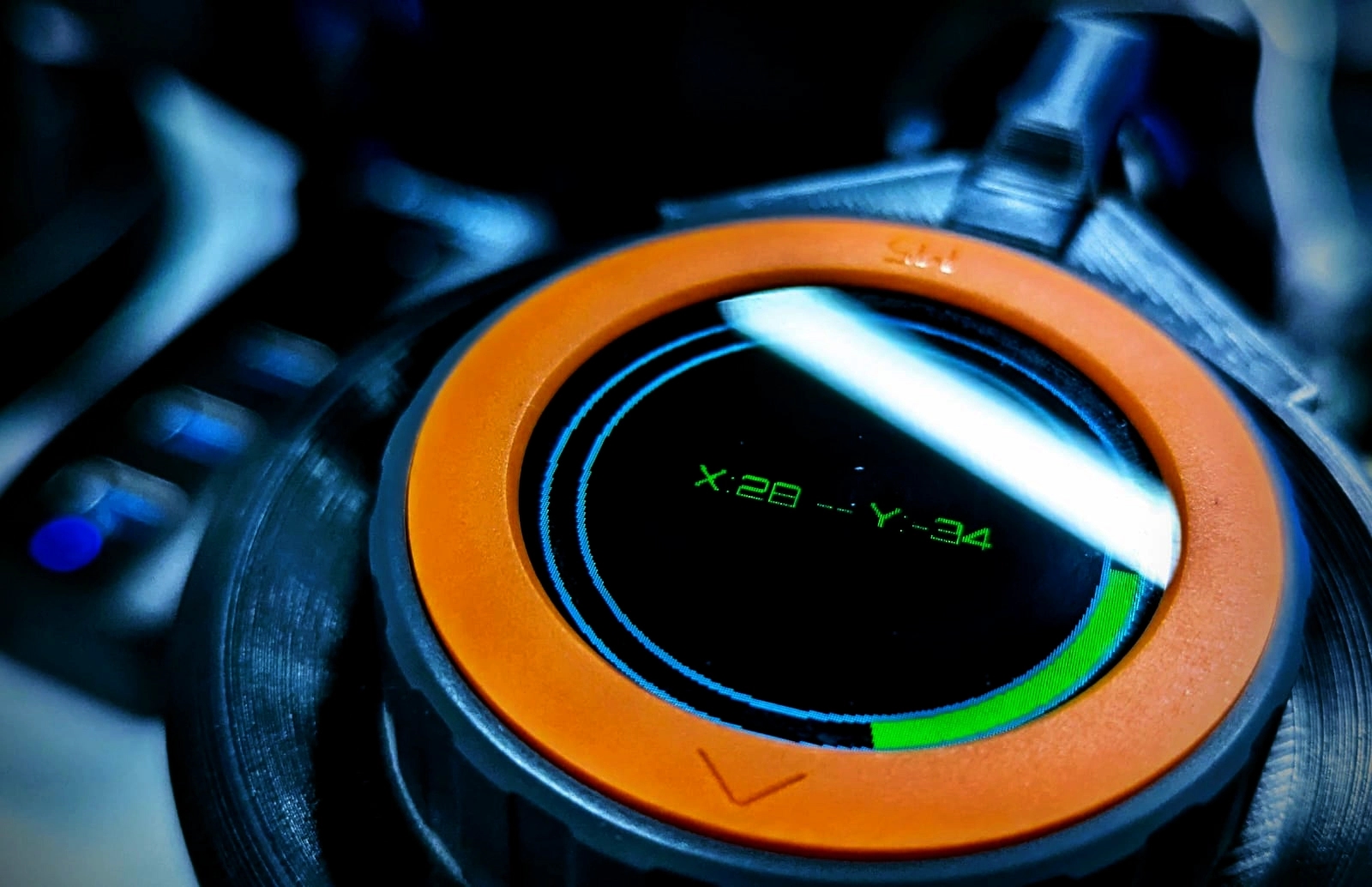
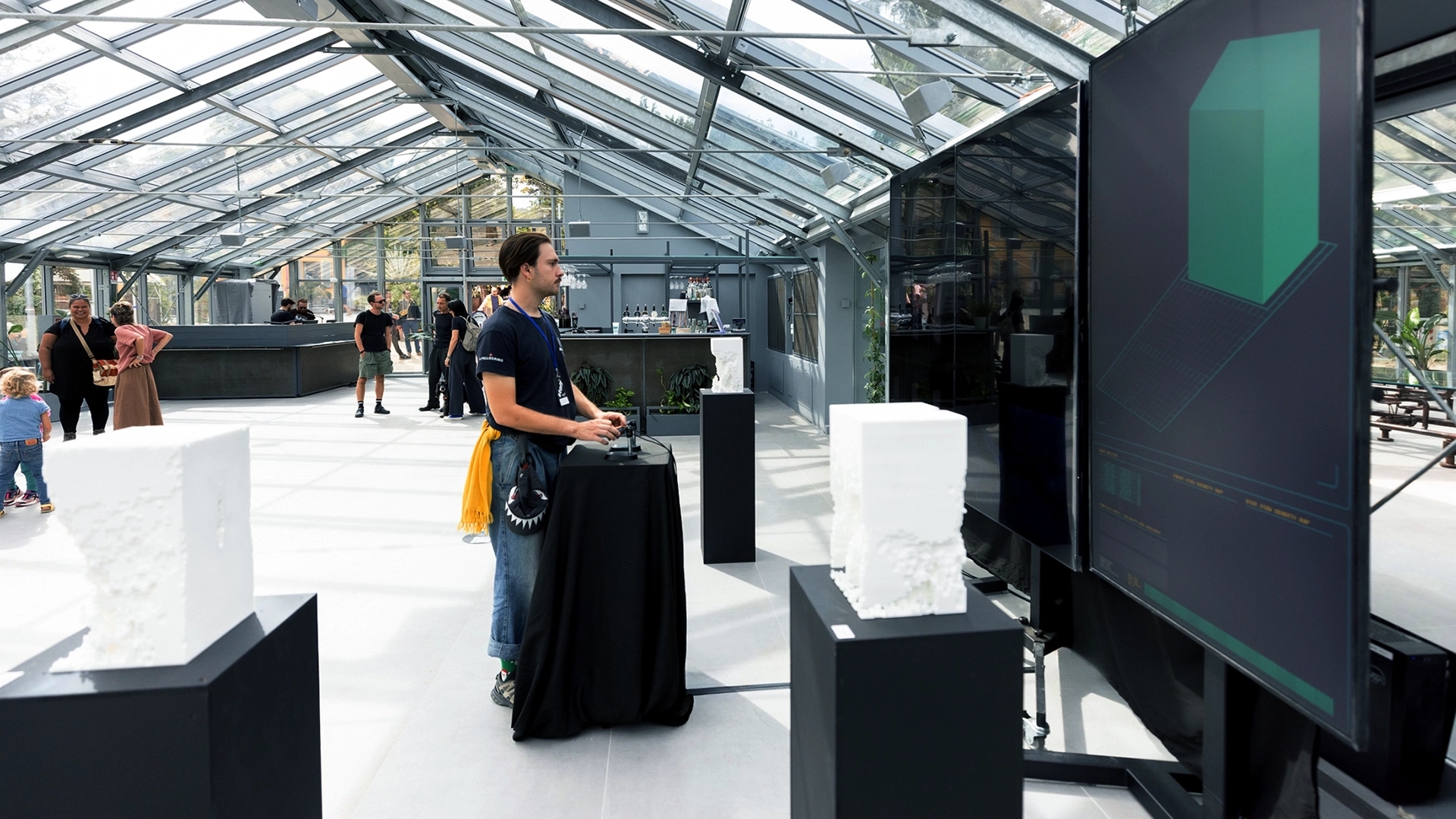
The experience draws visitors into the living pulse of the coast, immersing them in a real-time choreography of land and water. Visitors step onto an interactive stage where the invisible forces shaping our shorelines become vividly present. Each choice on the map sets new dynamics in motion: digital shorelines shift and reshape as the tides rise, recede, and carve new patterns. Participants witness immediate visual feedback from their interactions, creating an intuitive dialogue between actions and environmental response.
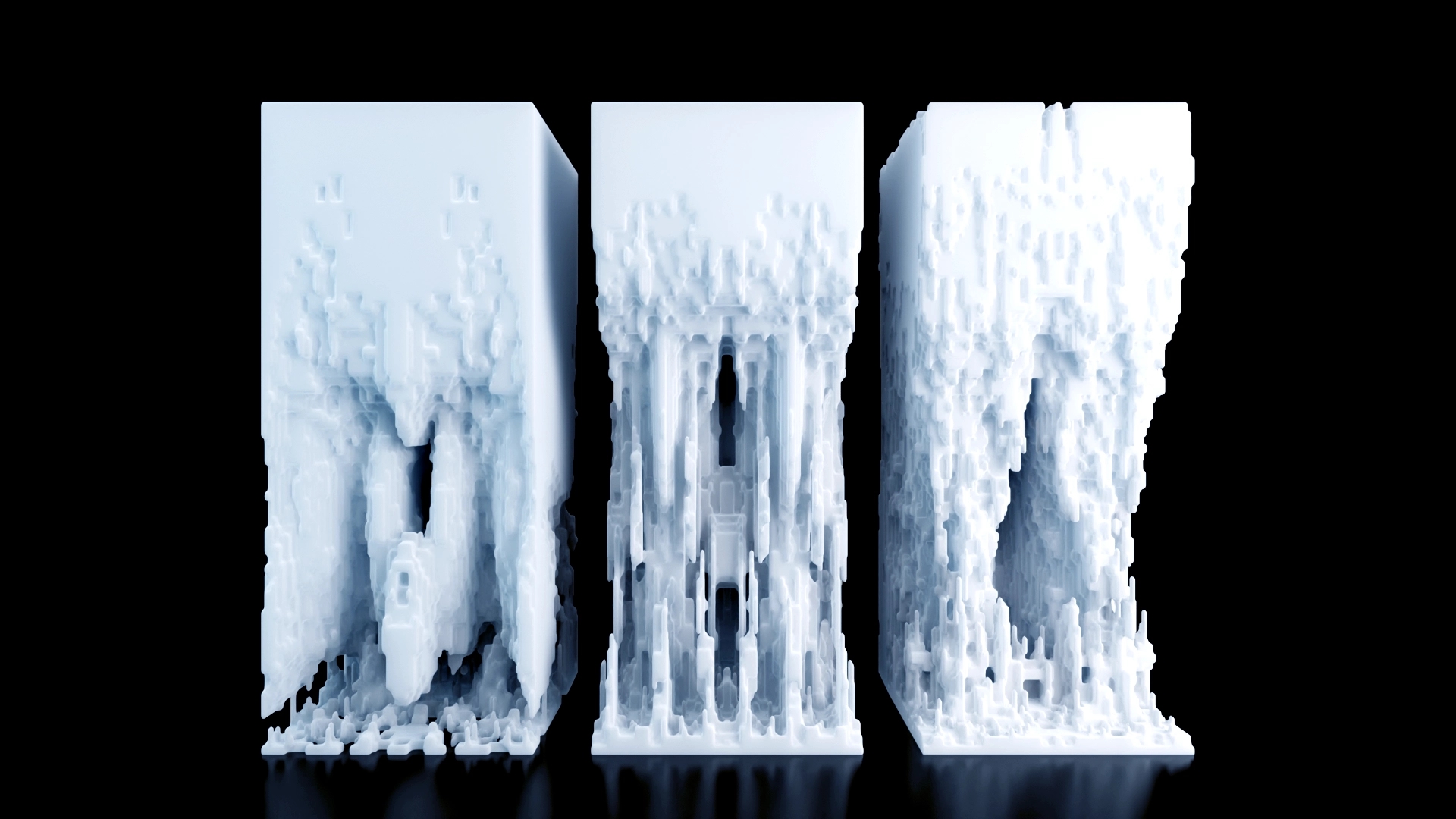
The experience offers us a glimpse into a aprocess that is outside of the temporal space of human experience. We can witness changes that would take years to be noticed in a couple of seconds.
Methodology
This work uses Mediterranean regional climate model data, including sea surface circulation and wind fields, together with IPCC AR6 sea level rise projections, to create a physically informed visual approximation of future coastal change.
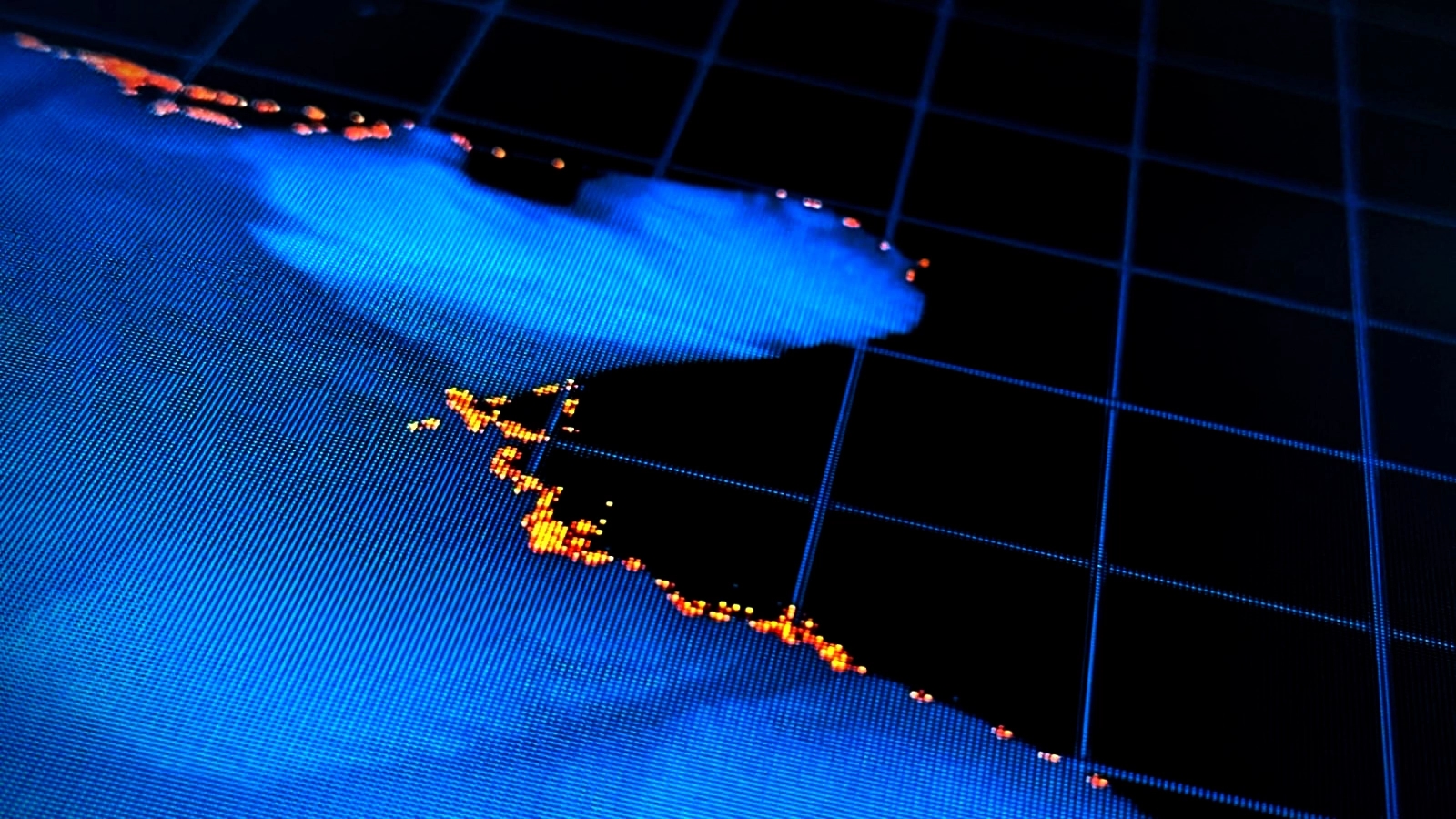
Sea surface currents are used as a visual expression of marine movement and environmental transformation. Wind fields are used to estimate locally generated offshore waves that may intensify coastal flooding. These values are combined with projected sea level rise and intersected with coastal topography to produce an accessible visual representation of potential flood extent along the Mediterranean coastline.
The result is not an engineering flood forecast, but an artistic and scientifically informed visualization of climate driven coastal transformation.
Scientific references and data sources
Mediterranean coupled model data was based on:
Parras Berrocal, I. M., Waldman, R., Sevault, F., Somot, S., Gonzalez, N., Ahrens, B., Anav, A., Djurdjević, V., Gualdi, S., Hamouda, M. E., Li, L., Lionello, P., Sannino, G., and Sein, D. V. 2024. “Response of the Mediterranean Sea Surface Circulation at Various Global Warming Levels: A Multi Model Approach.” Geophysical Research Letters, 51, e2024GL111695.
Sea level rise projections were based on IPCC AR6 sea level projection data, accessed through the NASA IPCC AR6 Sea Level Projection Tool:
Fox Kemper, B., Hewitt, H. T., Xiao, C., Aðalgeirsdóttir, G., Drijfhout, S. S., Edwards, T. L., Golledge, N. R., Hemer, M., Kopp, R. E., Krinner, G., Mix, A., Notz, D., Nowicki, S., Nurhati, I. S., Ruiz, L., Sallée, J. B., Slangen, A. B. A., and Yu, Y. 2021. “Ocean, Cryosphere and Sea Level Change.” In Climate Change 2021: The Physical Science Basis. IPCC Sixth Assessment Report. Cambridge University Press, pp. 1211 to 1362. doi:10.1017/9781009157896.011.
Credits
Developed as part of the STARTS GRIN Residencie and expanded as part of the JRC SciArt-Residency
With the support of CINECA HPC center and Joint research center european commission
Curated by Kilowatt, Marco Mancuso, Caterina Benincasa
Concept Design, Software Development - InDialog Team
First Exhibition was part of the G7 2024 meeting on Science and Technology
This artwork was originally developed during the artist’s STARTS residency and later expanded and further refined during the artist’s 2026 residency as part of the SciArt project of the European Commission Joint Research Centre, curated by Caterina Benincasa and Unit S.4.
The artist would like to thank Dr. Samuel Somot and Dr. Sara Sirviente Alonso from Météo France for their generous scientific guidance and for providing the metocean conditions used in this work.
Special thanks also to Dr. Alessandro Dosio from the European Commission Joint Research Centre and Evangelos Voukouvalas for their scientific guidance.
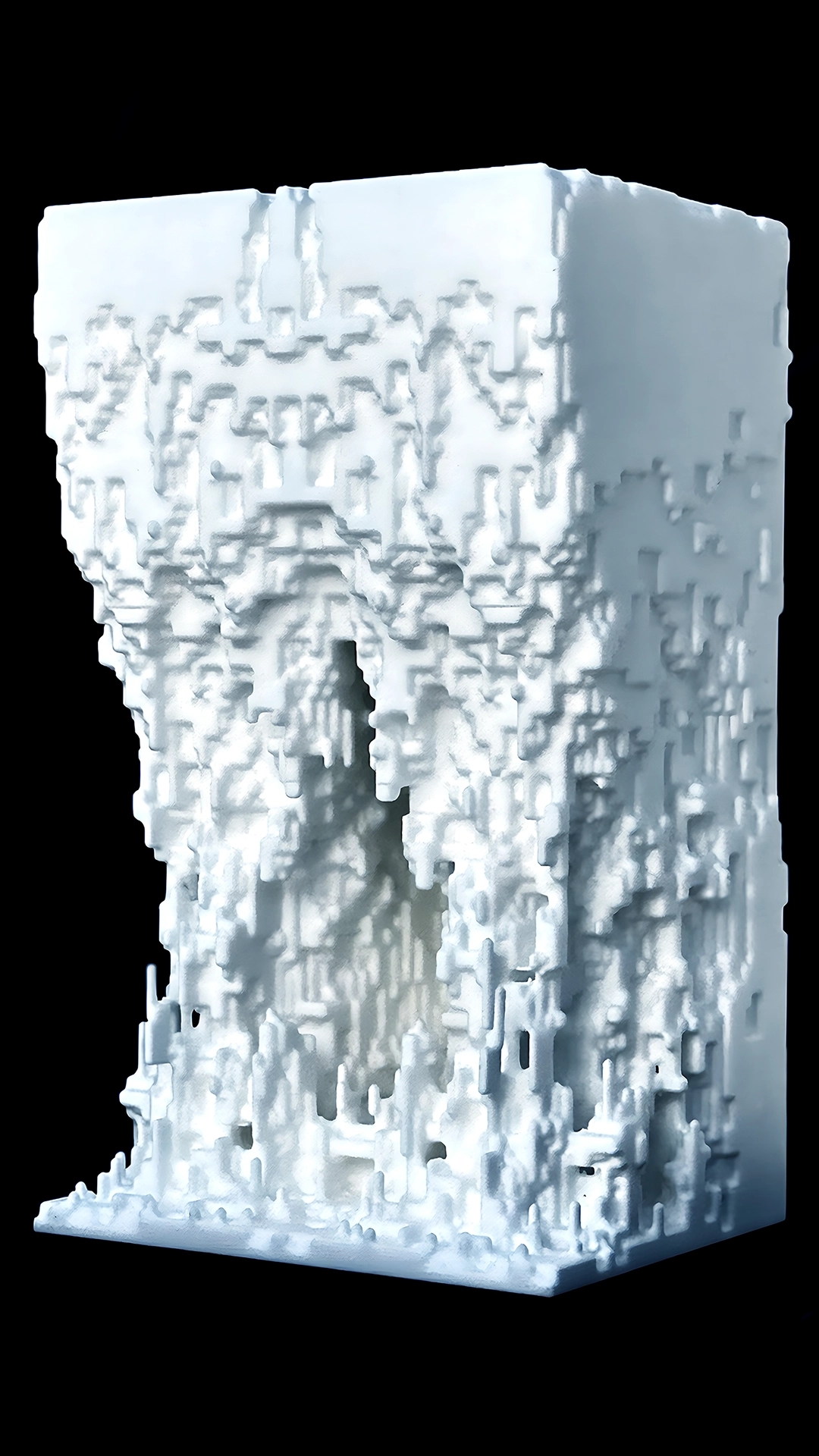
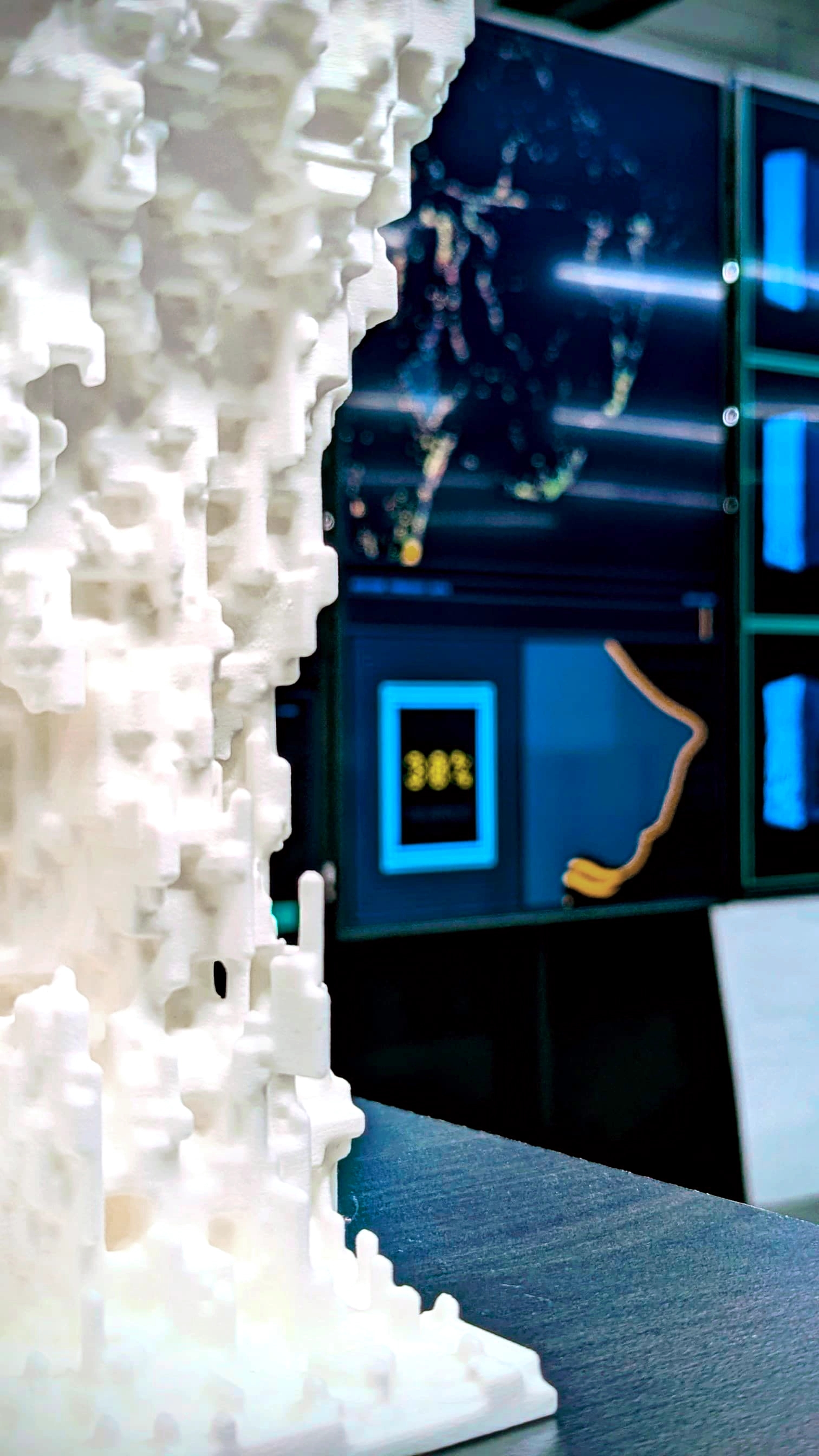
3D printing was made possible with the support of Unit R.5.